NOTES: Cloudflare (Reset): The Digital Shakedown of the High Seas
An exposé on how Cloudflare's edge network monopoly is acting as a digital tollbooth, crippling autonomous shipping fleets and the broader Blue Economy.


Listen on
Listen (episode)SpotifyApple PodcastsRSS
The Cassandra Files — forensic audio drama. Katie audits the books, Marcus kills the spin, Killian opens the file. About · Latest · Themes
It’s October 2026. I’m staring out at the San Francisco fog, listening to the hum of data centers bleed into the seagulls’ cry, and I’m having flashbacks to the vaporware hustle of Shinjuku in 2018. Only this time, the grift isn't crypto—it’s the ocean.
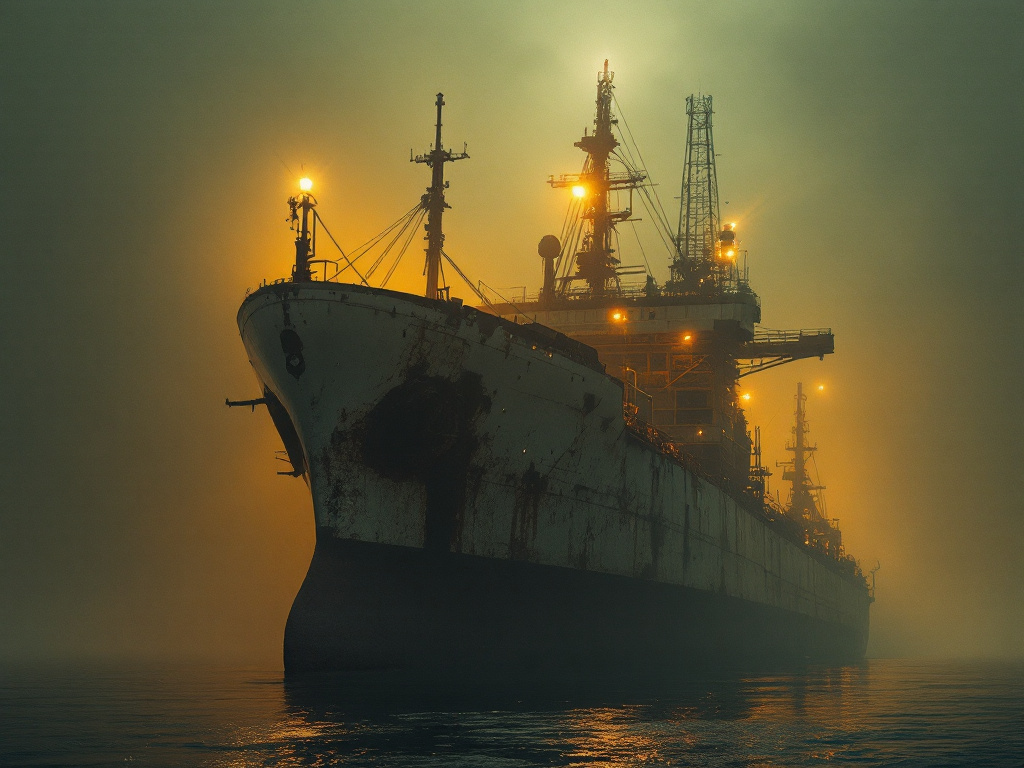
Right now, the autonomous methanol tanker SS Horizon Bluff is drifting aimlessly off the Irish coast. Did the engine fail? No. A server farm in Omaha flagged the ship’s fuel telemetry pings as malicious AI traffic and blocked them.
The Official Story
Cloudflare’s CEO Matthew Prince wants you to believe they are the benevolent digital lighthouse of the "Agentic Internet." They claim their new traffic controls will protect the web from AI strip-mining, championing a future of "500,000 AI companies."
They even scored a PR masterstroke in July, partnering with TIME to block AI crawlers. They call their new pay-to-play visibility Answer Engine Optimization (AEO). The spin? They are saving the web’s economy by bringing order to the bots.
The Real Story
What a load of rubbish. This is a centralized shakedown.
Automated traffic hit 50% of web requests back in May. Instead of democratizing access, Cloudflare’s "Pay Per Crawl" tool disproportionately favors massive publishers with licensing deals. Small creators are getting starved out.
But the real fleecing is happening on the water. The Blue Economy just saw billions flood into maritime startups. We are deploying autonomous cargo fleets and retrofitting legacy lines for green methanol. These ships rely on constant API pings to route around storms and optimize fuel burn.
Cloudflare’s new default settings are indiscriminately walling off these telemetry endpoints as "headless queries." They’ve turned the open ocean into a walled garden where maritime operators are forced into premium enterprise tiers just to keep their ships from crashing into a dock.
And the kicker? If an edge network failure causes a fully loaded freighter to lose its routing table in the Strait of Malacca, Cloudflare’s liability is strictly capped at the cost of a software license. They absorb the capital influx of the maritime industry while dodging all physical indemnification.
Meanwhile, their tech edge is a cactus. Subsea cable physics—a stubborn 50-60ms transatlantic latency—is bottlenecking their real-time AI promises. AWS just slashed edge-compute pricing by 18%, and Google’s Gemini 2.0 crawler is already bypassing Cloudflare’s blocks entirely.
The Bottom Line
Cloudflare is trying to govern the physical supply chain with the clinical detachment of a software patch. But the EU’s Maritime Single Window mandate demands interoperability, not walled gardens.
You can't abstract the ocean. When your digital tollbooth starts paralyzing methanol-powered ghost ships in the Atlantic, you aren't protecting the internet. You’re just the bloody iceberg.