NOTES: Rio Tinto: Rio Tinto's Great Thermodynamic Swindle
Rio Tinto's 'portfolio optimization' is a thermodynamic lie. Uncovering the 22% spike in ESG costs and the greenwashing tactics masking the devastating human cost of mineral extraction.


Listen on
Listen (episode)SpotifyApple PodcastsRSS
The Cassandra Files — forensic audio drama. Katie audits the books, Marcus kills the spin, Killian opens the file. About · Latest · Themes
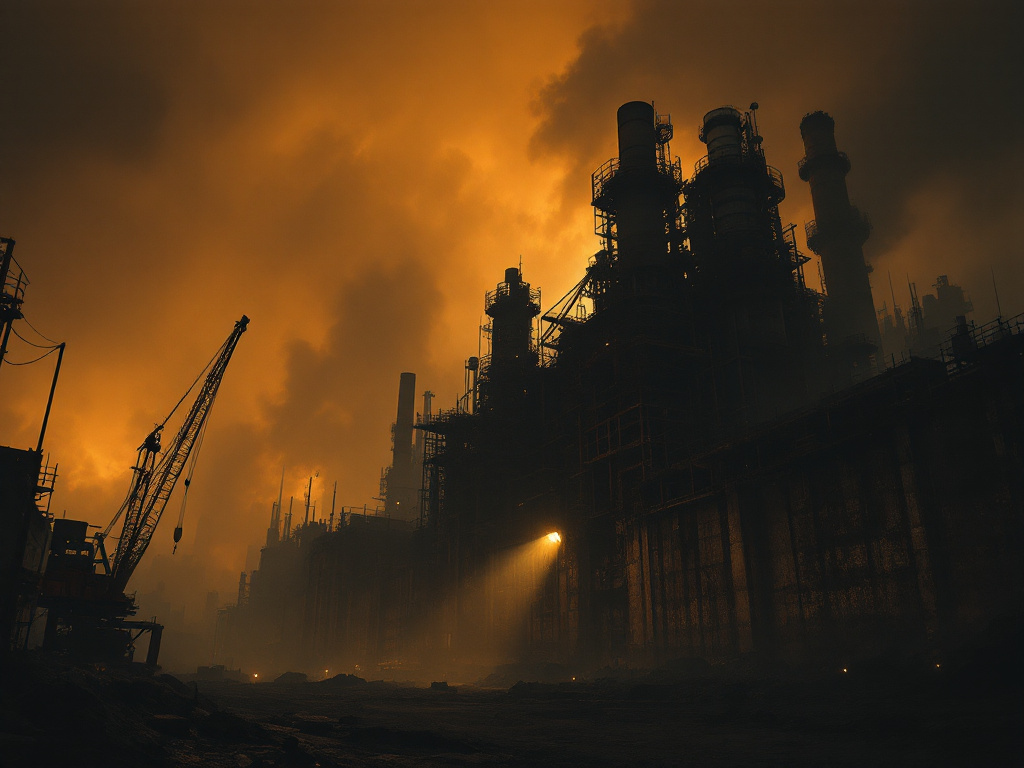
I’m looking out over Perth. August 2026. The smelters are humming under a permanent haze of diesel and dust. It’s a casino where the house always wins, but the chips are pressed from conflict minerals. We are watching the greatest fleecing in modern mining, and institutional capital is applauding the dealer.
The official spin? CEO Jakob Stausholm calls it "strategic portfolio optimization." Read the latest reports, and Rio Tinto is leading a green utopia. They promise net-zero by 2050. They trumpet the START™ initiative—a blockchain traceability pipe dream they swear will dominate critical minerals by 2030. They’re even patting themselves on the back for a few battery-swapping dump trucks at Oyu Tolgoi. It’s textbook algorithmic embalming.
The real story is a thermodynamic lie. You can’t solve the laws of physics with a shiny dashboard.
Rio is bleeding a 22% spike in ESG compliance costs just to mathematically offset their carbon on paper. Their actual Scope 1 and Scope 2 operations still choke on fossil fuels to process copper and iron. This whole digital transformation scam feels exactly like the neon hype of Shinjuku in 2018—bright lights blinding you to the structural rot underneath.
Behind the blockchain fairy tales, Rio is losing the geopolitical battlefield. China Baowu Steel Group is vertically integrated and actively threatening Rio’s refinery monopolies. Sibanye-Stillwater just undercut their U.S. lithium ambitions. And that highly touted $473M Zulti South approval in South Africa? It’s a geopolitical sandpit. You’re looking at a 30-month timeline bottlenecked by Chinese contractors and plateauing TiO₂ rutile extraction.
"Portfolio optimization" is just corporate jargon for delaying greenfield projects to milk aging assets. The human cost gets buried in the appendices. Local lands and futures are bartered away—just look at the Oak Flat permitting appeasement masking the Southeast Arizona Land Exchange delays.
The bottom line: Rio Tinto isn't engineering a green transition; they are engineering an alibi. They are paying for PR while the physical infrastructure crumbles and the ore grades drop. The market only cares that the compliance boxes are checked to keep the debt covenants safe. But eventually, the math has to meet the rock. And the rock always wins.