NOTES: Iain M Banks (Orbital): Canonical Insolvency in the Culture Estate
The Culture's post-scarcity promise is a sealed library. Uncover how probate law, impossible orbital physics, and crypto's theft of the Outside Context Problem froze a utopia into canonical insolvency.

Listen on
Listen (episode)SpotifyApple PodcastsRSS
The Cassandra Files — forensic audio drama. Katie audits the books, Marcus kills the spin, Killian opens the file. About · Latest · Themes
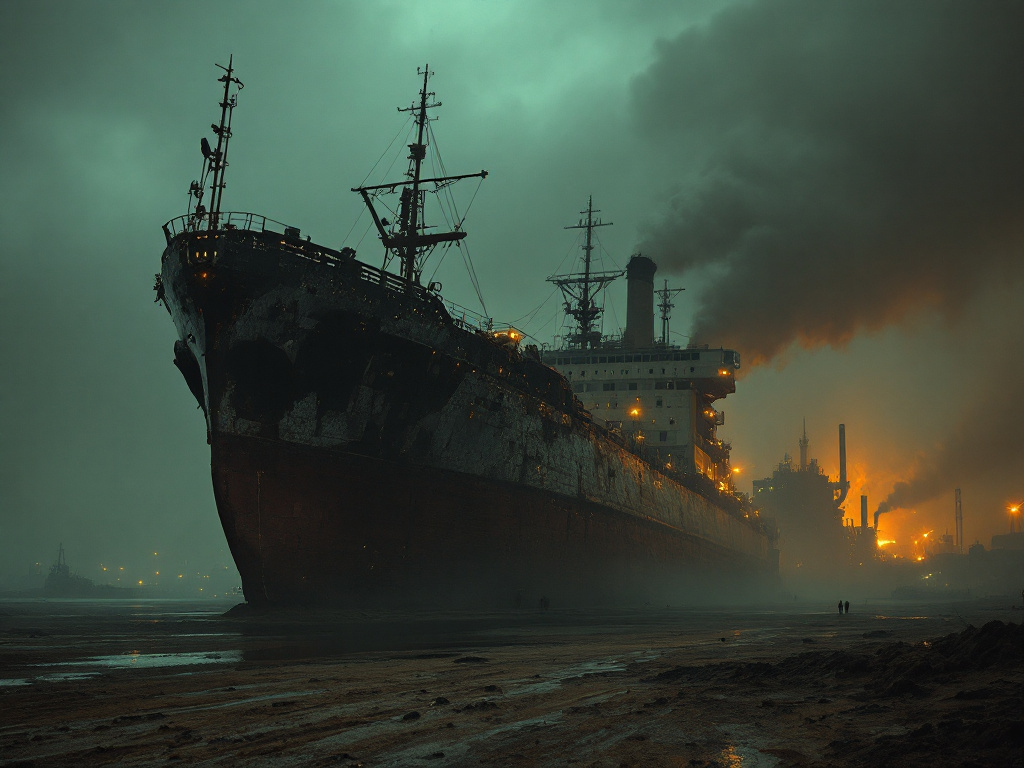
Edinburgh, 07 September 2026. 14:23. Fifty-four degrees, drizzle on the cobbles, and the last page of every book in the library glued shut by probate lawyers. That’s the smell of the Culture in Q3: wet stone and unresolved plotlines. Iain M. Banks built Orbitals as a promise to the common people — a three-million-kilometre ribbon of land instead of a planet, a sky you didn’t have to inherit. We strip-mined the aesthetics and left the load-bearing cognition in a filing cabinet.
The official spin is reverent stagnation sold as stewardship. No authorized sequels. Timeline frozen at 3000 CE since 2013. The SF Encyclopedia updated the tombstone in June and called it an author entry. Amazon’s Consider Phlebas adaptation has already died once (2020, “timing wasn’t quite right”) and the 2025 revival is still a development slide, not a universe. Meanwhile The Expanse spent twelve million dollars an episode rendering a ring gate you can film. If you cannot see it, you cannot monetize it. That’s Market Share Liquidation: copper wire stripped from a condemned building.
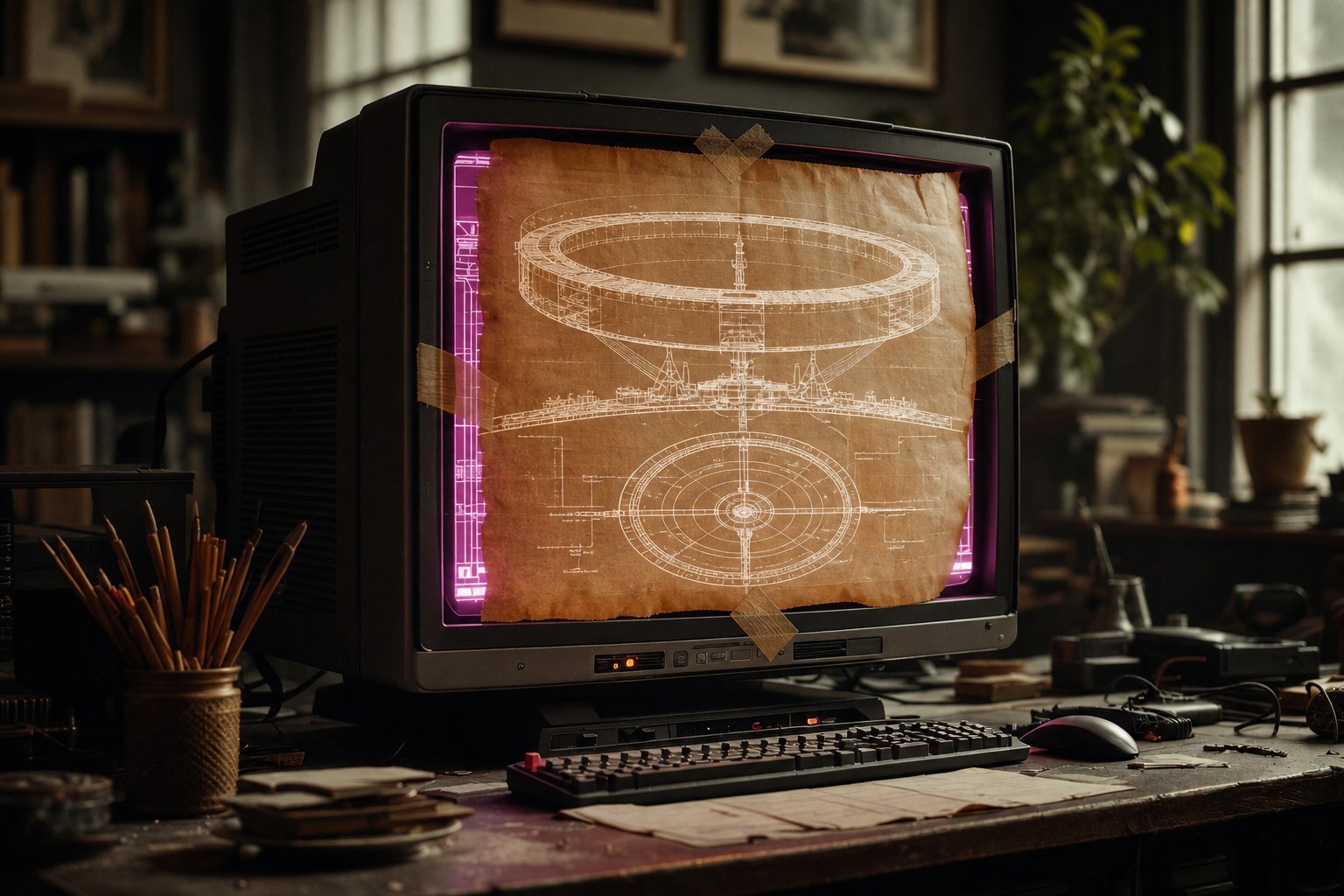
Don’t buy the post-scarcity brochure, mate. The physics never closed. A ring that large needs a constant spin of 486,000 kilometres per hour to fake Earth gravity. There is no material — no carbon nanotube, no theoretical hyper-diamond — that survives that centrifuge. Banks knew it. That’s why the Minds exist: hyper-intelligent AIs as the structural integrity field. The hardware is a dumb vessel. The load-bearing pillar is cognition. What Silicon Valley calls a Mind is algorithmic embalming — a freeze-dried snapshot of internet weights with a chat box bolted on the front. Current LLMs cannot simulate a single Mind’s sarcastic footnotes, let alone tensile stress on a megastructure.
The human cost is a 1,500-year chronology gap and a vocabulary heist. Hyper-capitalists whose entire worldview is artificial scarcity hijacked an anti-capitalist lexicon. Worst casualty: the Outside Context Problem — a shock from outside a civilization’s predictive models, an eviction notice in an alphabet you don’t have. Crypto founders with circuit-board menus in Shoreditch used it as an alibi for a bad quarter. They didn’t meet a superior alien fleet. They ran out of greater fools.
The bottom line is the Narita index: forty-two dollars and fifty cents for a stale tuna sandwich under a dying fluorescent tube. We are not citizens of a General Systems Vehicle. We are commuters in the margins of a 10-K, paying rent in a decaying timeline while Web3 architects pretend we have already sublimed. Canonical insolvency is when the worldbuilding is too dense to iterate and the estate is too careful to move it. The Culture is not a living utopia. It is an asset that can no longer be moved.