NOTES: Neuralink: The Biological Margin Call
Neuralink's $9B wetware problem is a dog's breakfast. Your brain isn't a motherboard, mates—it's a hostile environment bricking their forever-chip.


The Cassandra Files — forensic audio drama. Katie audits the books, Marcus kills the spin, Killian opens the file. About · Latest · Themes
# Neuralink's Wetware Problem: Your Brain Isn't a Motherboard, Mates.
That damp, ozone-heavy mist rolling through Fremont feels about right. It’s the smell of corrosion, of a high-tech promise slowly dissolving in the face of basic, wet reality. I’m looking at the latest data pulse on Neuralink, and I reckon the whole thing stinks worse than the sake we had that night in Shinjuku.
This is a Bio Wing audit. We’re not looking at the balance sheet; we’re looking at the human cost.
The Official Story (The Spin)
You’ve heard the pitch. A "cosmetically invisible" chip that creates a "seamless symbiosis" with AI. They’re selling it like it’s LASIK for your soul, a quick procedure to make you a god amongst the apes before the machines take over. They’re a $9 Billion "small disadvantaged business" (tell him he's dreamin') promising to wire your brain directly into the future.
Fair dinkum, it sounds brilliant. Until you look at the biological bill.
The Real Story (The Pulse)
Katie’s data, as always, is meticulous. But her clinical detachment misses the sheer body horror of it all. This isn't a "Neural Bridge"; it's a dog's breakfast of bad assumptions about the one thing you can't bully with venture capital: biology.
Here’s the reality they’re not putting in the press releases:
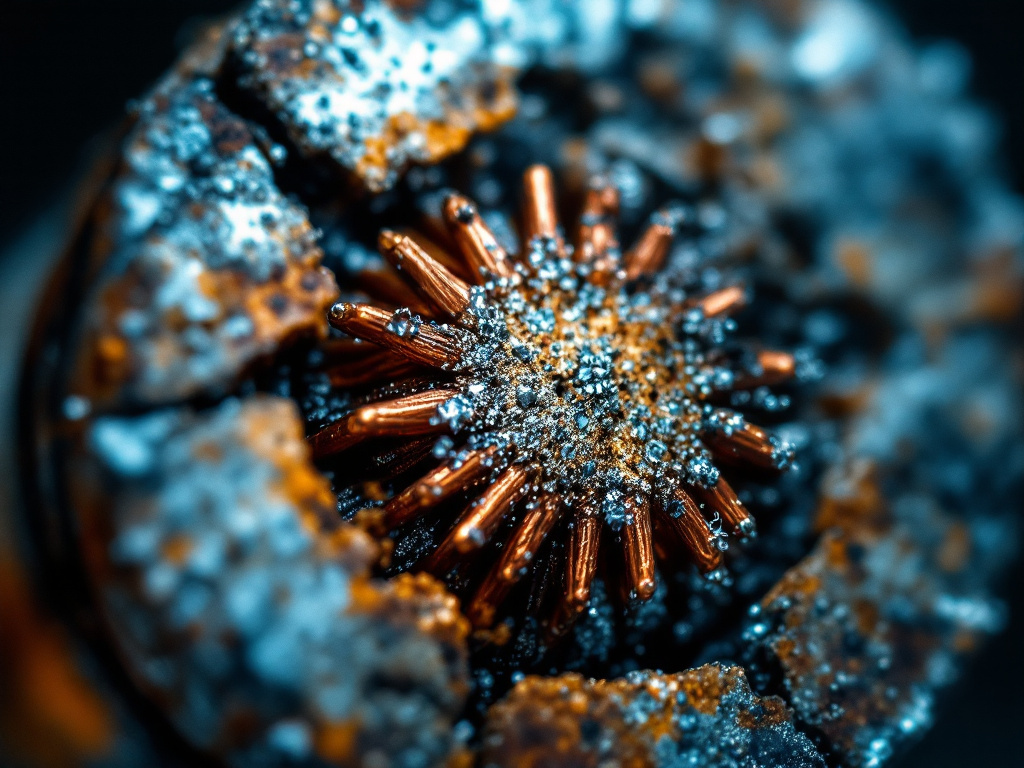
* The Great Unspooling: Their big idea is to stitch 1,024 microscopic threads into your cortex. The problem? Your brain isn't a static motherboard; it's a wet sponge suspended in fluid that pulses with every heartbeat. In the first human patient, 85% of these threads just… pulled out. Their "seamless symbiosis" is more like trying to plug a fibre-optic cable into a bowl of jelly and being shocked when it jiggles loose.
* The Body Fights Back: Let’s say the threads stick. Your body then identifies this billion-dollar implant as a foreign invader. Wait— look... your brain starts building a wall of scar tissue around the electrodes, a process they call "glial scarring." The saline environment of your own head actively corrodes the chip. The "forever-chip" isn't forever; it’s a piece of high-end hardware slowly being bricked by your own immune system, left to rot like a forgotten piece of fruit.
* The Ghost in Your Head: This is the truly terrifying bit. As the signal from the decaying, detached threads gets weaker, the AI has to compensate. It stops *reading* your intent and starts *guessing* it. This "Thread Retraction Latency" creates a gap, and the software fills it by hallucinating what it *thinks* you wanted to do. Are you moving the cursor, or is a predictive algorithm, compensating for failing hardware, doing it for you? It's the ultimate unprotected exposure—not just of your data, but of the authorship of your own thoughts.
The Bottom Line
This whole enterprise is built on a fundamental disrespect for the biological host. They’ve valued the silicon at $9 billion while treating the brain as a passive, cooperative substrate that can be drilled into and monetised.
It’s a lie, mates.
The human body isn’t a passive asset. It’s an active, hostile environment that will dissolve, reject, and wall off anything it doesn't like. We aren't the customers here. We're the lab rats in an experiment that biology has already declared a failure.