NOTES: Autonomous Fleet: The Methanol Mirage and Ghost Ships
The autonomous maritime sector is a high-stakes bluff. We break down the real-world operational decay, from failing green methanol logistics to the displacement of millions of maritime workers under the guise of technological progress.


Listen on
Listen (episode)SpotifyApple PodcastsRSS
The Cassandra Files — forensic audio drama. Katie audits the books, Marcus kills the spin, Killian opens the file. About · Latest · Themes
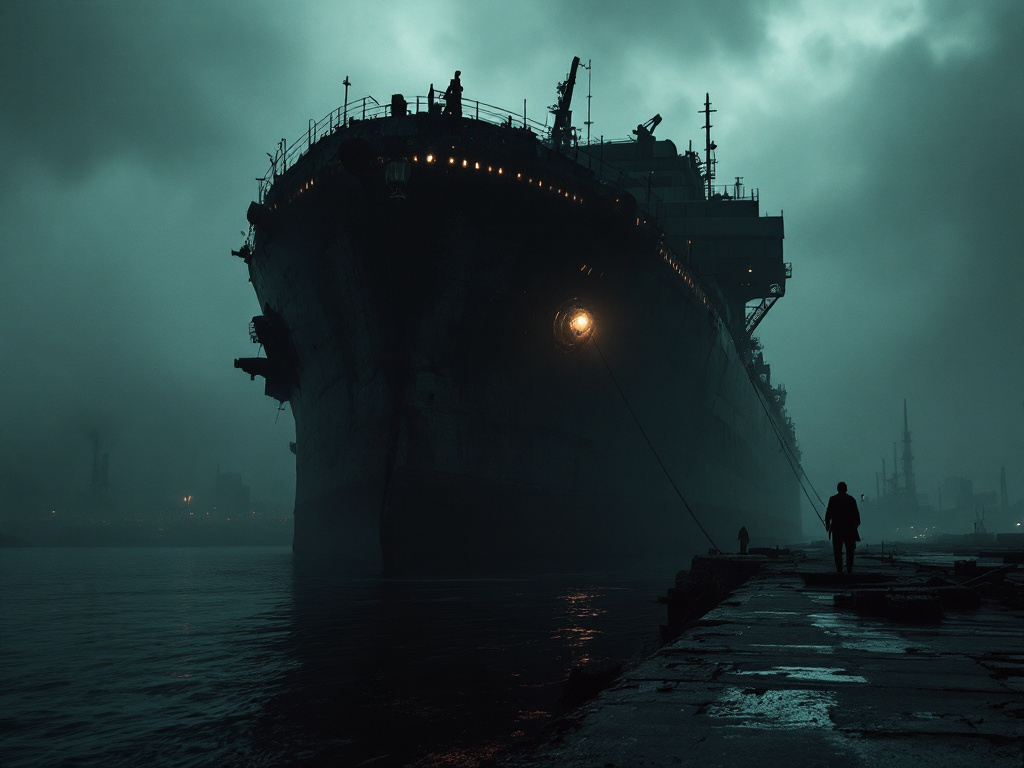
I’m looking out over Rotterdam right now. It’s fifty-four degrees, overcast, and the air reeks of hydraulic oil and North Sea brine. We’re being sold a frictionless future of robotic ghost ships, but down here on the docks, the so-called "Blue Economy" is just a high-stakes poker game where every suit bluffs about their carbon credits.
The official spin reads like a recycled tech pitch from a Shinjuku hotel bar circa 2018. The EU’s Blue Economy Observatory and Coherent Market Insights are hyping up "energy-integrated hubs," projecting a $3.9 trillion market by 2033. They claim AI-driven logistics and green methanol will save the oceans, with startups promising a 20% drop in emissions. It’s a beautiful slide deck, assuming you don't actually read the math.
Here is the water-level reality: autonomous fleets currently run at a 40% higher operational cost than traditional crews. Why? Because green methanol has a pathetic energy density of 15.8 MJ/L, forcing these ships to make 30% more bunkering stops than LNG. And since only three EU ports actually support full methanol refueling, these "smart" ships are zigzagging across the ocean, burning fuel just to find fuel. Real-world emission reductions are stalling out at 12-15% because the AI auxiliary power demands are draining the grid.
The tech itself is absolute cactus. Saildrone deployed 30 AI vessels to monitor Pacific deep-sea data cables, bragging about 99.7% uptime. Yet their own 2025 report quietly admits a 22% latency in collision-avoidance systems during storms. Meanwhile, 49 million maritime jobs in Africa are hanging in the balance, threatened by automated displacement to fund this dock-bound fantasy.
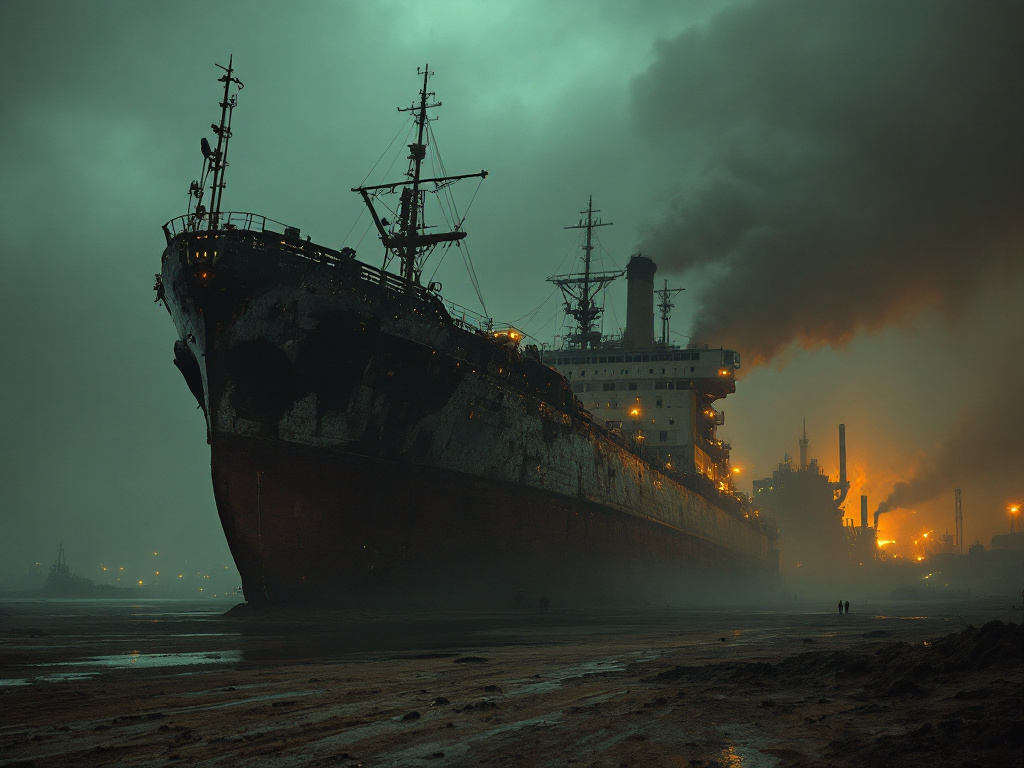
The apex predators already know the autonomy narrative is a liability. Kongsberg just nabbed a $101 million NOAA ocean monitoring contract by actively reverting to manned vessels, hiding behind the excuse of "regulatory certainty." Ocean Infinity is undercutting the market by 18% with its new 11-ship Armada fleet, but they're doing it by quietly running diesel-electric hybrids. The entire sector is an anachronistic palimpsest—painting fresh technological promises over rotting, diesel-soaked hulls.
The Bottom Line: When corporate jargon like "ecosystem-based approaches" just means using biodiversity credits to mask massive ROI gaps, we’ve lost the plot. The autonomous maritime revolution isn't about saving the planet; it’s the ultimate fleecing. They are taking venture capital for a robotic revolution while quietly paying human crews to babysit the hardware so the insurers don't panic.