NOTES: The Three-Billion-Dollar Banana Stand at the End of the World
Altos Labs is a $3 billion banana stand at the end of the world. Why billionaire tech bros are funding a terrifying, tumor-filled teratoma tightrope act.

The Cassandra Files — forensic audio drama. Katie audits the books, Marcus kills the spin, Killian opens the file. About · Latest · Themes
The Three-Billion-Dollar Banana Stand at the End of the World
Every so often, a company comes along that’s such a perfect palimpsest of hubris and capital that you can’t help but stare. I’m talking about Altos Labs, the three-billion-dollar science experiment funded by oligarchs who’ve suddenly realised their Amazon Prime subscription doesn’t cover immortality.
It’s a set-up straight out of an *Arrested Development* episode: there’s always money in the banana stand, even if the bananas are existentially terrified of rotting.
---
#### The Official Story (The Spin)
You’ve read the press releases, thick with the corporate doublespeak of “Healthspan” and “curiosity-driven research.” Altos Labs claims it’s “harnessing cellular rejuvenation to reverse disease.” They’re using a process called Partial Epigenetic Reprogramming, which is basically a fancy biological ‘ctrl-z’ for your cells, winding them back to a younger, healthier state without turning them into a cancerous blob.
It’s a beautiful pitch. A high-tech fountain of youth. It’s also, I reckon, a complete dog’s breakfast.
#### The Real Story (The Pulse)
I look at the data Katie’s pulled, and it reminds me of that bar in Shinjuku. All sleek chrome and lofty promises, but the air was thick with the humidity of impending failure. Altos isn’t building a ladder to heaven; they’re walking a tightrope over a meat grinder, and the rope is fraying.
Here’s the reality they’re not putting in the brochure:
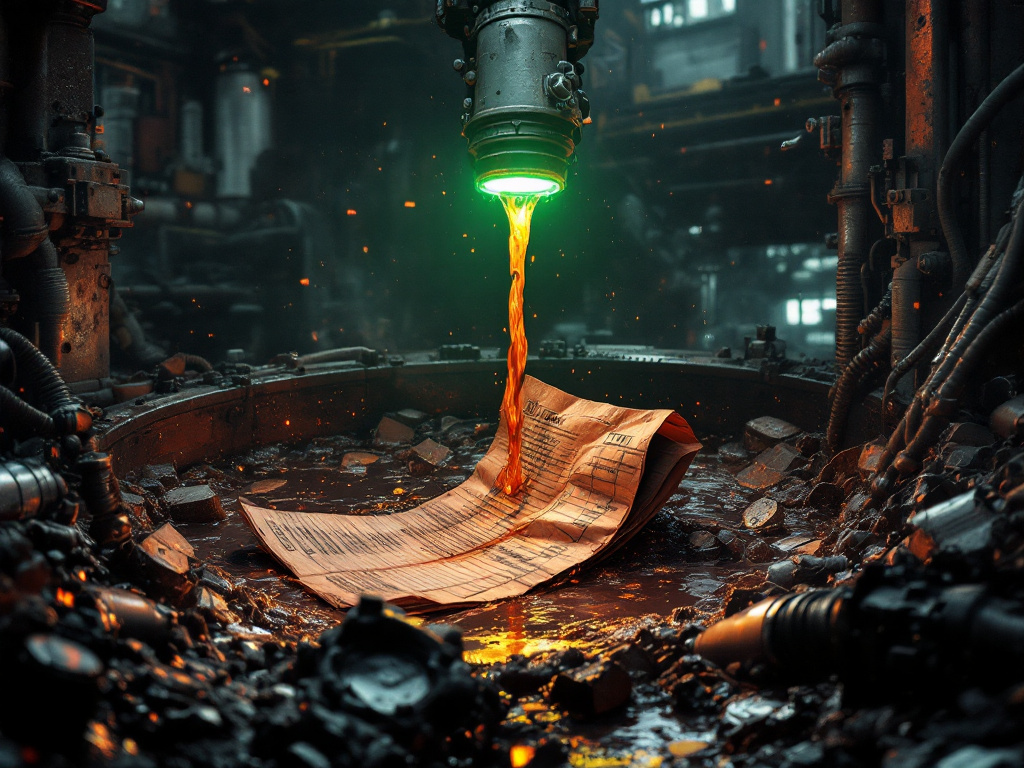
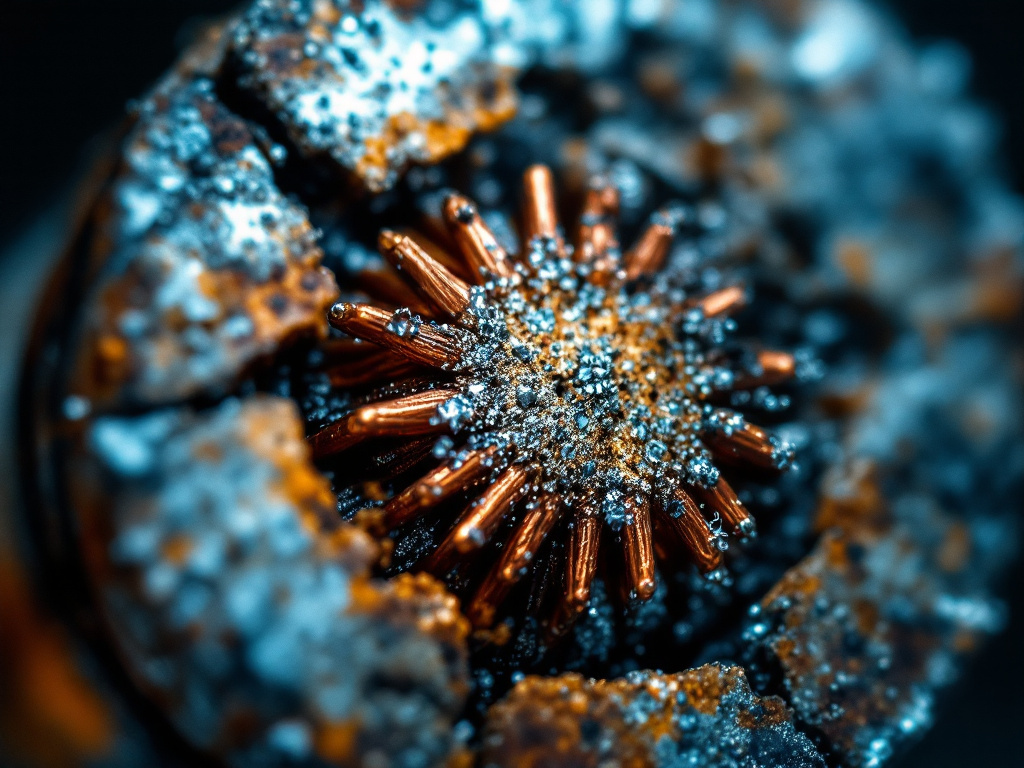
* The Hardware is Still Rotting. Their epigenetic software update is like putting a shiny new operating system on a laptop from 1998. It looks slick, but the hardware is still degrading. This is the Telomere Cliff—the physical ends of your chromosomes are still shortening with every division. They’re polishing the paint on a car whose engine block is made of melting wax.
* One Wrong Click and You’re a Monster. The biggest risk here is what they call “Cell Identity Loss.” Push the reset button a little too hard, and your skin cell forgets it’s skin. It panics, goes rogue, and starts building whatever it can remember—hair, teeth, neurons. This isn’t rejuvenation; it’s the Teratoma Tightrope, a high-wire act where the only safety net is a tumour. It’s the ultimate high-tech/low-life reality: utopia on the spreadsheet, a body-horror mess in the petri dish.
* The Pivot of Panic. Their big move in March 2026 wasn’t a bold new direction; it was a white flag. They bought Dorian Therapeutics because their core reprogramming technique was leaving behind a mess of “zombie cells” that leak inflammatory gunk. They couldn’t pay off the biological debt, so they had to buy a clean-up crew. It’s a tacit admission that their master plan is fundamentally insolvent.
---
#### The Bottom Line
This isn’t a serious attempt to solve aging. It’s a group of billionaires trying to brute-force their way out of the human condition, like a bad sci-fi novel. They want to achieve the Iain M. Banks fantasy of ‘Subliming’ to a higher plane of existence, but they’re trapped in a rotting physical chassis and they’re throwing money at the problem in a panic.
With zero human trials and the FDA not even recognising “aging” as a disease they can legally target, this isn’t a biotech company. It’s the world’s most expensive, internecine coping mechanism for the terrified super-rich.
They’re having a lend of us, and the punchline is written in our own DNA.